Research and Development

Home – Research and Development

Transforming Hope into Cure

CureScience was established to develop research centers of excellence through collaborative partnerships with academia as well as the pharmaceutical and biotechnology industries.  CureScience™ envisions that this approach will accelerate discovery and commercialization of novel and beneficial diagnostics and therapeutics.  We have initiated programs focusing on diagnostics, drug discovery and development, and simplifying patient access to innovative therapies. As a consequence of these efforts, CureScience will address high unmet needs across a broad spectrum of diseases. The prevalence of cancer, neurological, and autoimmune disorders created the necessity of establishing multiple comprehensive Centers of Excellence focused on integrated research and disease management to provide new technologies, diagnostics and therapeutics to combat disease. 

These programs are focused on integrated research and disease management, covering preemptive approaches based on multi-faceted “omics”, combined with novel small molecule and biologics drug development. In accordance with our mission to advance efficacious therapeutics rapidly and efficiently, we also will develop programs that focus on repurposing existing drugs. The new era of big data is creating a dynamic real-time patient-centric and patient-specific digital summary. We are establishing protocols to assimilate big data, and parse the information into patient specific, disease specific informatics allowing CureScience™ to rapidly identify patient exigencies and corresponding beneficial therapeutic modalities. In addition, emerging trends in in-silico modeling and drug screening can expedite the deployment of novel and repurposed drugs. This has the potential to improve early detection, accelerate drug discovery and development, identify drug repurposing approaches, and implement precision medicine strategies.


About Us Laboratory Research Cure Science
Santosh Kesari MD PhD Asthra Health Santa Monica sq

Santosh Kesari, MD, Ph.D.

Chair of Scientific Advisory Board

“I am committed to advancing cancer research, clinical innovation, and patient care through science, discovery, and entrepreneurship.”

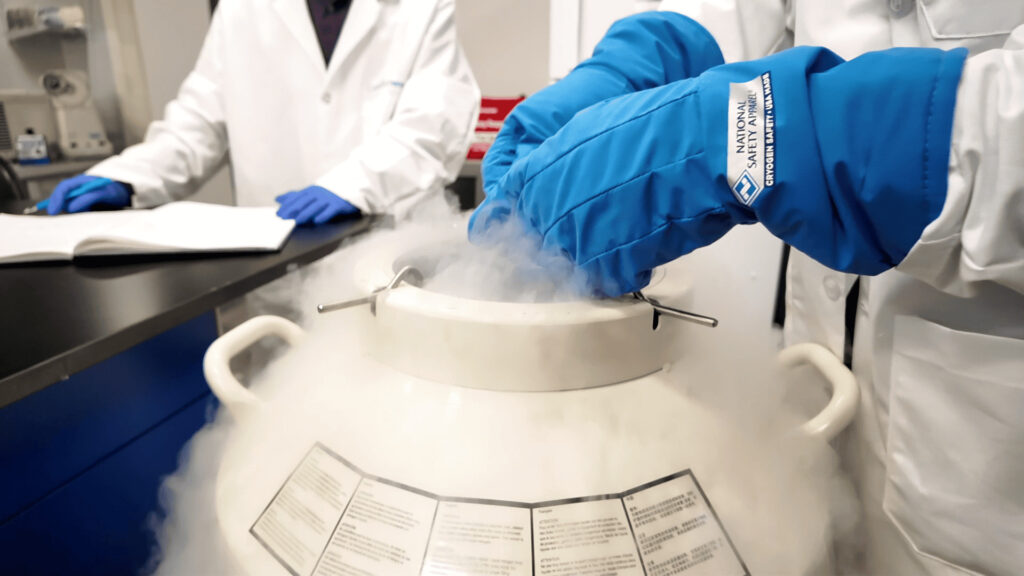
CryoStorage Research at Cure Science Transforming Hope Into Cure
Understanding and Monitoring Cancer in the Brain and Central Nervous System
Many cancers do not remain confined to their original site. In some patients, cancer spreads to the brain or central nervous system (CNS), creating conditions such as brain metastases and leptomeningeal disease (LMD). These complications are among the most difficult challenges in oncology because they are often difficult to detect early and even harder to monitor over time.
 
At CureScience, we work to improve how these diseases are detected, characterized, and monitored using advanced molecular diagnostics and precision medicine approaches.
 
Our goal is simple: give clinicians and patients better information to guide treatment decisions and accelerate scientific discovery.
Traditional imaging alone often cannot capture the full complexity of cancers affecting the brain and central nervous system. CureScience works with physicians and research partners to integrate data from multiple biological sources, including:
  • Tumor tissue sequencing
  • Blood-based liquid biopsy
  • Cerebrospinal fluid (CSF) analysis
  • Immune monitoring and biomarker profiling
 
These approaches allow us to identify tumor mutations, neoantigens, and immune signals that may help guide precision therapies, including targeted drugs and personalized immunotherapy strategies.
 
For patients with cancers that involve the brain or spinal fluid, CSF can sometimes provide clearer molecular insight than blood alone, offering a window into tumor activity that may not be visible through imaging or conventional testing.

Cancer is not static. Tumors evolve as they respond to treatment or develop resistance.

CureScience supports longitudinal disease monitoring, helping clinicians track molecular signals over time through repeated sampling of:
  • Blood
  • Cerebrospinal fluid (CSF)
  • Tumor-derived DNA and immune markers
 
This type of monitoring can help identify:
  • Early signs of disease progression
  • Molecular changes that may influence therapy choices
  • Treatment response to immunotherapies, vaccines, or targeted drugs
 
For patients facing brain metastases or leptomeningeal disease, these tools may provide earlier insight into what is happening biologically, even before changes appear on scans.

Beyond supporting individual patients, CureScience works with researchers, clinicians, and biotechnology partners to generate data that can accelerate scientific discovery.

Our programs help integrate:
  • Genomic analysis
  • Neoantigen prediction
  • Immune response monitoring
  • Computational analysis of treatment response
 
These efforts contribute to a growing body of knowledge around neuro-oncology, metastatic disease, and precision immunotherapy, helping researchers better understand how cancers behave within the central nervous system.
Cancers that spread to the brain and central nervous system remain among the most urgent challenges in oncology. Progress will require better diagnostics, better data, and closer collaboration between researchers, clinicians, and patients.
CureScience exists to help build that bridge — advancing tools that allow us to see cancer more clearly, track it more precisely, and ultimately treat it more effectively.

Focus Area: Leptomeningeal Disease

Leptomeningeal disease (LMD) occurs when cancer spreads to the leptomeninges — the delicate membranes that surround the brain and spinal cord. It can arise from many cancers, including breast cancer, lung cancer, melanoma, and gastrointestinal cancers, and is also seen in certain primary brain tumors.

Despite advances in cancer therapy, LMD remains one of the least understood and most difficult complications in oncology. Diagnosis is often delayed, and traditional tools such as imaging and cytology may fail to capture the full extent of disease activity.

CureScience works with physicians and research partners to improve how leptomeningeal disease is detected and studied through advanced molecular approaches.

Our work includes:
  • CSF-based tumor DNA analysis to detect cancer signals in the spinal fluid
  • Comparative analysis of tumor tissue, blood, and CSF to understand disease biology
  • Longitudinal monitoring to track how disease evolves over time
  • Immune monitoring to evaluate responses to emerging immunotherapies
 
By studying the molecular signals present in cerebrospinal fluid, researchers can gain insights that are often not visible through conventional diagnostics, helping to guide research into new treatment strategies.

CureScience brings together multiple layers of biological data to better understand how cancers behave, particularly when they involve the brain and central nervous system.

Our approach integrates information from several sources:
Tumor Tissue

Genomic sequencing of tumor tissue helps identify mutations, neoantigens, and molecular drivers of disease that may guide targeted therapies or personalized immunotherapies.

Blood-Based Monitoring

Liquid biopsy approaches allow clinicians to detect circulating tumor DNA (ctDNA) and other biomarkers in blood, providing a minimally invasive way to monitor disease progression or treatment response.

Cerebrospinal Fluid (CSF)
For cancers affecting the brain and spinal cord, CSF can contain tumor-derived DNA and immune signals that are more representative of CNS disease than blood alone.
 
Computational Analysis
CureScience integrates these datasets through computational and translational analysis to help identify patterns in tumor evolution, immune response, and therapeutic targets.
Patients with cancers that involve the brain or central nervous system often face limited diagnostic tools and rapidly evolving disease.

By combining molecular diagnostics, immune monitoring, and computational analysis, CureScience aims to generate insights that can:
  • Help clinicians better understand disease biology
  • Support the development of personalized treatment strategies
  • Enable earlier detection of disease progression
  • Contribute to research advancing new therapies for neuro-oncology
 
Our mission is to ensure that every data point — from tumor tissue to blood to cerebrospinal fluid — can help move science forward and improve patient outcomes.

View Our Publications...

See how our research and development process transforms scientific discovery into targeted treatment strategies designed to improve patient outcomes. Learn how CureScience is developing innovative therapies through translational research, drug discovery, and clinical advancement.

Evaluation of the EMulate Therapeutics Voyager’s ultra-low radiofrequency energy in murine model of glioblastoma

Review Publication >

Parkinson’s Disease Diagnosis Using miRNA Biomarkers and Deep Learning

Review Publication >

Advancing personalized medicine in brain cancer: exploring the role of mRNA vaccines

Review Publication >

Cure Science Full Color Logo

Why Support CureScience

Your support helps fuel a mission centered on improving patient care through science and engagement. Donations help advance personalized medicine, support curative therapy development, and strengthen patient engagement networks that inform, empower, and connect communities.

Help Turn Scientific Progress
Into Patient Impact

When you support CureScience, you help advance research, strengthen patient engagement, and bring hope closer to real outcomes for patients and families.

A AdobeStock 734951285 Preview

Why Support CureScience

Your support helps fuel a mission centered on improving patient care through science and engagement. Donations help advance personalized medicine, support curative therapy development, and strengthen patient engagement networks that inform, empower, and connect communities.


Working Toward Better Outcomes Through Research, Education, and Community Support